

Thank you for Subscribing to Eldercare Review Weekly Brief

Riviera Health Resort
Enrique Cateriano, MSN APRN FNP-C MSN-NL RN IPC, Director of Nursing
The Courage to Care: The Human Side of Long-Term Care Nursing
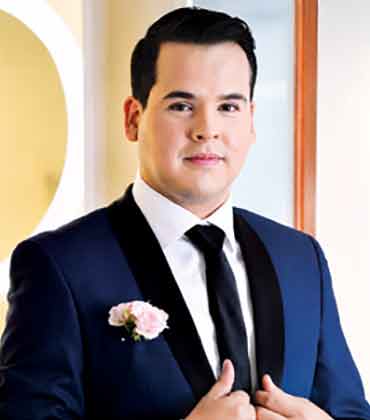
Enrique Cateriano
There are moments in healthcare that stay with you forever.
Not because they were dramatic, but because they quietly remind you why you chose this profession in the first place. Throughout my years in long-term care, I have learned that nursing is not only about medications, treatments, or clinical skills. Nursing is about human connection. It is about being present for someone during moments when they feel vulnerable, afraid, forgotten, or alone. It is about reminding people that even in the later chapters of life, they still matter deeply. Before becoming a Director of Nursing, I was just a nurse trying to care for people the best way I knew how. Like many nurses, I entered healthcare wanting to help others, but long-term care changed me in ways I never expected. It taught me patience, humility, and the incredible power of compassion. I still remember walking through the halls during my early years in nursing and realizing how many residents were longing not only for medical care, but for connection. Some residents waited all day for a conversation. Others waited for a familiar face to walk into their room. Many carried loneliness silently behind a smile. One resident especially changed me forever. She spent most of her time alone in her room and rarely spoke. Clinically, she was stable, but emotionally she seemed distant from the world around her. One evening, after a long and exhausting shift, I sat beside her for a few minutes before leaving her room. I asked her about her life, and slowly she began talking. She shared stories about raising her children, cooking for her family, and dancing with her husband many years ago. Then her eyes filled with tears as she quietly told me something I will never forget. She said, “Sometimes I feel invisible.” That moment broke my heart. I realized then that in long-term care, people are not only facing illness or aging. Many are facing loneliness, grief, fear, and the painful loss of independence. Some residents have outlived spouses, siblings, and lifelong friends. Some rarely receive visitors. Some simply want someone to sit beside them and remind them they are still seen and valued. That experience changed the way I approached both nursing and leadership. Today, as a nursing leader, I constantly remind my team that our residents are not room numbers or diagnoses. They are human beings with stories, memories, sacrifices, and lives that deserve dignity and compassion. Every resident was once young. Every resident once had dreams, careers, families, and responsibilities. One day, all of us will hope someone cares for us with that same humanity. Long-term care nursing is often misunderstood. Many people only see the challenges, such as staffing shortages, regulations, emotional exhaustion, and the constant pressure healthcare professionals face every day. Those challenges are real, but there is also extraordinary beauty in this field. There is beauty in watching a resident smile because you remembered their favorite song. There is beauty in comforting someone during difficult moments. There is beauty in becoming family to people who sometimes feel forgotten by the world. Some of the most compassionate nurses I have ever met work in long-term care. They are the nurses who stay a few extra minutes to calm an anxious resident. They are the caregivers who hold hands during moments of fear. They are the people who learn residents’ routines, favorite foods, and life stories because they genuinely care. These moments may seem small to others, but for residents, they mean everything. One of the greatest challenges in healthcare today is maintaining high clinical quality while preserving compassion in environments affected by burnout and staffing shortages. Residents deserve more than efficiency. They deserve warmth, patience, kindness, and human connection. Strong clinical care and compassion must always exist together. I also believe the future of senior care must continue moving toward more holistic and resident-centered approaches. Wellness is not only physical health. It is emotional wellbeing, dignity, mobility, social connection, and quality of life. Technology continues to help healthcare improve, but no technology will ever replace genuine compassion. A machine cannot replace empathy or human presence. For future nurses considering long-term care, I want them to know this field will change your heart forever. It will challenge you emotionally, physically, and mentally, but it will also teach you some of life’s most meaningful lessons. Long-term care nursing teaches you patience, resilience, gratitude, and humanity. Most importantly, it teaches you that sometimes the greatest form of healing is simply making another person feel loved, respected, and remembered. At the end of the day, leadership in healthcare is not only about policies, metrics, or operational success. True leadership is about protecting dignity, inspiring compassion, and creating environments where both residents and caregivers feel valued. That is the courage to care. And in my eyes, there is nothing more meaningful than that.The articles from these contributors are based on their personal expertise and viewpoints, and do not necessarily reflect the opinions of their employers or affiliated organizations.
