

Thank you for Subscribing to Eldercare Review Weekly Brief

Generations Healthcare
Jerome Alacre, Director of Nursing
Leading Nursing Through Compassion, Education, and a Commitment to Better Care
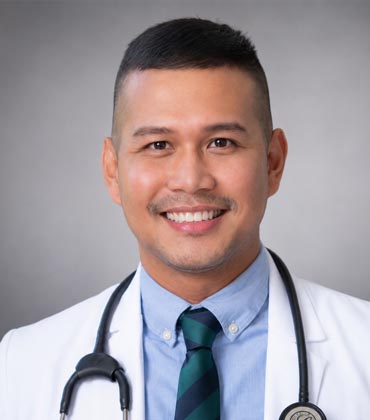
Jerome Alacre
Building a Leadership Approach Rooted in Compassion and Patient Care
Growing up and completing my nursing degree taught me that nursing is much more than a profession. It is a commitment to caring for people with compassion, respect, and dedication. My experiences throughout nursing school and my journey as a nurse have shaped the healthcare professional and leader I am today. They taught me that every patient has a unique story, and providing excellent care means looking beyond a diagnosis to understand the individual behind it. My nursing journey has shown me that leadership and compassion go hand in hand. No matter how much my role has evolved, the values that first inspired me to become a nurse continue to guide my decisions. Every experience has strengthened my commitment to making a positive difference, not only in the lives of the people we care for, but also in the lives of the nurses and healthcare professionals I have the privilege to lead. Balancing Clinical Excellence, Team Development, and Operational Leadership Balancing clinical excellence, staff development, and operational priorities requires recognizing that each element is connected. As a Director of Nursing and Nurse Practitioner, and now as I transition into healthcare administration, I have learned that exceptional patient care cannot happen without a strong team, and a strong team cannot succeed without effective leadership and sound operations. Clinical excellence will always be at the heart of my leadership. My clinical background allows me to understand what happens at the bedside, recognize changes in patient conditions, evaluate outcomes, and support nurses when they face complex clinical situations. At the same time, leadership requires looking at the bigger picture, including staffing, regulatory compliance, quality measures, financial responsibility, employee development, and the overall experience of patients, residents, and families. One of my greatest priorities is investing in my staff. I believe education creates confidence, and confidence helps people become stronger clinicians and future leaders. I work to create opportunities for teaching, mentoring, and professional growth because I want my staff to understand that their current position does not define the limit of what they can achieve. Creating a Culture of Accountability, Collaboration, and Continuous Improvement I believe leaders must be visible, approachable, consistent, and willing to listen. I cannot expect accountability from my staff if I do not hold myself to the same standard. When something goes wrong, my first response is not simply to ask, “Who made the mistake?” It is also to ask, “What happened, what can we learn from this, and how can we prevent it from happening again?” "Leadership and compassion go hand in hand. Every experience has strengthened my commitment to making a positive difference not only in the lives of the people we care for, but also in the lives of the healthcare professionals I have the privilege to lead." Accountability is important, but it should always be paired with education, fairness, and an opportunity for improvement. Collaboration is equally essential. Nurses, certified nursing assistants, physicians, therapists, infection preventionists, dietary staff, social services, and administrators all bring different perspectives to patient care. As a Director of Nursing and Nurse Practitioner, I have learned that some of the best solutions come from listening to the people closest to the challenges. The individuals providing care every day often have valuable insights into how systems can improve. Preparing Healthcare Leadership for the Future One of the greatest challenges facing healthcare will continue to be the nursing workforce. Recruitment is important, but retention is equally critical. We cannot simply ask nurses to do more with fewer resources. Leaders must create environments where nurses feel supported, respected, heard, and given opportunities to grow professionally. Addressing burnout and developing the next generation of nurses and healthcare leaders must become organizational priorities. Technology and artificial intelligence will also transform healthcare delivery. I see these tools as opportunities to improve efficiency, clinical decision-making, documentation, early identification of risks, and quality monitoring. However, technology should enhance, not replace, the human connection that defines nursing. No technology can replace compassion, critical thinking, clinical judgment, or the ability to sit beside a patient or family during a vulnerable moment. My education, particularly through my master’s and doctoral studies, has reinforced the importance of combining clinical expertise with evidence-based practice, technology, quality improvement, and organizational leadership. As I transition from nursing leadership toward administration, I increasingly recognize that tomorrow’s healthcare leaders must understand both the bedside and the broader business of healthcare. Inspiring Future Nurses and Leaders Through Purpose My advice is simple: never allow your circumstances to determine how far you can go. Continue learning, remain humble, and remember where you started. I grew up in the Philippines with limited resources, and higher education was not something I could simply take for granted. I worked hard for opportunities and was fortunate to receive scholarships that allowed me to pursue my education. Those experiences taught me early in life that education can change the direction of a person’s future. When I completed my nursing degree, I could never have imagined every opportunity that would come from that decision. My journey has taken me through different nursing roles, clinical practice, nursing leadership, graduate education, becoming a Nurse Practitioner, serving as a Director of Nursing, pursuing my doctorate, and now preparing for another chapter as a healthcare administrator. None of these accomplishments happened overnight. There were challenges, sacrifices, long hours, failures, and moments when the next goal seemed difficult to reach. But every challenge taught me something valuable. For me, success is not measured only by the degrees after my name or the leadership positions I hold. It is measured by the people I inspire to grow, the staff members who become stronger because someone believed in them, and the patients and residents who receive better care because of the culture we created together.The articles from these contributors are based on their personal expertise and viewpoints, and do not necessarily reflect the opinions of their employers or affiliated organizations.
