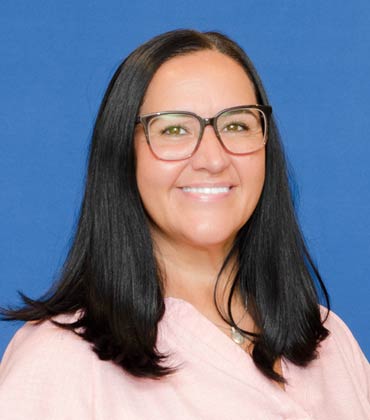
Lisa Williams, BSN, RN, began her healthcare career as a Certified Nursing Assistant and progressed through various nursing and leadership roles. Her experiences with different leaders and challenges throughout her career have shaped her leadership philosophy, grounded in the belief that leadership is defined not only by accomplishments but also by the influence a leader has on the people around them.
Building Relationships That Encourage Growth
I believe everyone deserves opportunities to learn and grow, regardless of their position or career aspirations. To me, mentorship isn't solely about preparing someone for a promotion or leadership role. It's about recognizing individual strengths, understanding personal and professional interests and helping people become the best versions of themselves.
My approach begins with building relationships through intentional communication and genuine interest in the people I lead. I make it a priority to be present, whether that means checking in during shifts, understanding challenges or simply taking time for a conversation that has nothing to do with work. Establishing mutual trust and respect encourages open communication and helps me recognize opportunities for growth that might otherwise go unnoticed.
Those relationships also create a foundation for conversations that aren't always easy.
Accountability as an Opportunity for Development
Accountability and communication are two things I emphasize consistently, but I've learned that how we approach accountability can make all the difference.
When expectations aren't met, I prefer to ask questions rather than immediately identify what someone did wrong. I might ask a nurse to walk me through a clinical process, explain their understanding of expectations or reflect on how they handled a situation. Their responses help me recognize knowledge gaps, address misunderstandings and identify opportunities for education.
Leadership isn’t about having all the answers. It’s about recognizing potential, embracing opportunities for growth and empowering others to do the same.
I also encourage individuals to consider potential solutions rather than relying on someone else to provide every answer. This approach promotes critical thinking, builds confidence and supports independent decision-making.
My experiences have taught me that accountability and compassion aren't opposing principles. Maintaining professional boundaries and consistent expectations is essential, regardless of personal relationships. Sometimes the most effective way to support someone's growth is through a difficult but necessary conversation.
Recognizing Potential Beyond Titles
Some of my most rewarding mentoring experiences have come from helping individuals recognize potential they may not have recognized in themselves.
I've had the privilege of mentoring a nurse who initially had no interest in leadership but eventually became a Director of Nursing. I've also helped a nursing assistant discover her passion for restorative care. She went on to lead the restorative aide department, mentoring other nursing assistants while helping residents maintain their independence and quality of life. Other rewarding moments come from coaching caregivers to recognize how their communication and approach affect residents, inspiring changes that improve their daily interactions.
Each experience represents a different kind of success. I don't measure mentorship by promotions or titles, but by the growth, confidence and abilities individuals develop and the difference they're able to make.
When Team Members Grow, Residents Benefit
I've seen how investing in one team member can influence far more than that individual's professional development. When caregivers gain knowledge, confidence and stronger communication skills, those qualities become evident in the care they provide.
Supported team members are better equipped to anticipate residents' needs, recognize changes in condition, communicate concerns and approach challenging situations with confidence.
Beyond clinical knowledge, strong interpersonal skills help caregivers establish genuine connections with residents and families. Sometimes recognizing how our communication is perceived and intentionally adjusting our approach can positively influence someone's day. Our goal should be to create an environment where residents feel heard, respected, valued and confident in the people providing their care.
Leadership Is a Continuous Journey
I don't have all the answers and I continue learning from the experiences and perspectives of the people I lead. I encourage others to develop their own leadership styles, remain open to different perspectives and recognize that professional development is an ongoing process.
For nurses beginning their leadership journeys, my advice is simple: it's okay to be nervous. You were chosen because someone recognized your potential. Nobody expects you to be perfect. Ask questions, remain willing to learn and surround yourself with people who encourage your growth.
Leadership isn't about having all the answers. It's about recognizing potential, embracing opportunities for growth and empowering others to do the same.