

Thank you for Subscribing to Eldercare Review Weekly Brief

United Vein & Vascular Centers
Ashley Rae Medina, VP of Integration and Value-Based Care Partnerships
Improving Senior Vascular Health Through Coordinated Value-Based Care
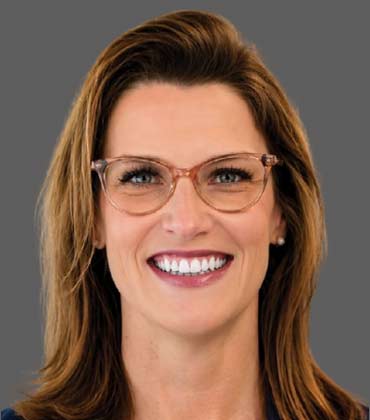
Ashley Rae Medina
Ashley Rae Medina is a healthcare operations and value-based care leader specializing in multi-state practice integration, strategic payer partnerships and building referral networks that optimize patient outcomes. At United Vein & Vascular Centers (UVVC), she focuses on coordinated vascular specialty care, payer partnerships and improving outcomes for high-risk patient populations.
In an interview with Elder Care Review, she shared insights on preventive vascular care, early symptom identification and how value-based care improves long-term patient outcomes. Transition into Value-Based Vascular Care Leadership roles, healthcare operations and value-based care have shaped my journey. Building on leadership experience at Walt Disney World and working in for-profit education supporting medical assistants and coders, I became CPC certified and moved into medical billing and coding. Later, at Better Health Group, I spent 10 years growing from a provider consultant to National VP of Provider Operations. During that time, I helped support the organization’s growth from approximately 10,000 to more than 250,000 attributed patients by aligning operational infrastructure, provider support and coordinated care initiatives across independent physician practices. What drew me toward vascular health and senior patient care was recognizing the critical role specialists play in the value-based care ecosystem. While primary care physicians serve as gatekeepers, specialists must also understand care coordination, chronic condition management and CMS-driven models. Early Intervention and Preventive Care Preserving mobility and preventing avoidable hospitalizations are critical components of helping seniors maintain independence and quality of life. As the population ages, vascular health management is becoming increasingly important because vascular disease is often linked to chronic conditions such as diabetes, obesity and cardiovascular disease. Early identification, timely intervention and coordinated outpatient care are essential to reducing complications, hospitalizations and amputation risk for these patients. At UVVC, many minimally invasive vascular procedures are performed in office-based labs rather than hospitals or ambulatory surgery centers, allowing patients to receive advanced outpatient vascular care in a more accessible and lower-cost setting. Through advanced vascular imaging, ultrasound-guided procedures and endovascular treatments, we are able to treat many conditions without major surgery or extended hospital stays. For elderly patients, smaller incisions, reduced sedation requirements and minimal downtime often support faster recovery and allow most patients to return home the same day. This model not only improves the patient experience, but also helps reduce unnecessary healthcare utilization through earlier intervention and coordinated outpatient care.Too many seniors assume symptoms like swelling, cramping, discoloration or nonhealing wounds are part of aging, when they may serious indicate underlying vascular disease.
The articles from these contributors are based on their personal expertise and viewpoints, and do not necessarily reflect the opinions of their employers or affiliated organizations.
