A featured contribution from Leadership Perspectives: a curated forum reserved for leaders nominated by our subscribers and vetted by our Elder Care Review Advisory Board.

Penn State Health

Jenny (MSN RN) Zimmerman, Nursing Vice President, Adult Acute Care

Human Centered Leadership in Modern Acute Care
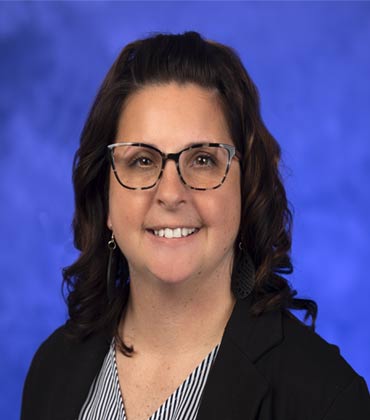
Jenny (MSN RN) Zimmerman

Jenny (MSN RN) Zimmerman

Nursing Leadership Champion

Leading High-Performing Teams in Acute Care

As Vice President of Nursing for Adult Acute Care at Penn State Health, my approach to leading high-performing clinical teams has been shaped by a deep belief that structure creates safety, and clarity is kindness. In complex acute care environments, leaders must be both operationally disciplined and deeply human-centered.

My experience has reinforced that visibility matters— being present on units, engaging with frontline staff, and understanding the realities of care delivery in real time. High-performing teams are built when leaders create environments where expectations are clear, communication is consistent, and every team member feels seen, heard, and valued.

Balancing Outcomes, Workforce Wellbeing and Operations

At the same time, healthcare leaders are uniquely positioned to align patient outcomes, workforce wellbeing, and operational excellence in a way that strengthens the entire system. Today’s environment calls for thoughtful prioritization, strong communication, and a commitment to continuous improvement.

When leaders create clarity around goals and empower their teams with the right tools and support, it fosters both engagement and high-quality outcomes. In my experience, when we invest in our people—through development, recognition, and meaningful involvement in decision making—we see that reflected in both patient experience and team performance.

Building Collaborative, Accountable and Compassionate Teams

Fostering a culture of collaboration, accountability, and compassion requires intentional leadership. I anchor this work in our core values of Respect, Integrity, Teamwork, and Excellence. Collaboration is strengthened through interdisciplinary partnerships and shared governance structures that give nurses a voice in decision-making.

High-performing teams are built when leaders create environments where expectations are clear, communication is consistent, and every team member feels seen, heard, and valued.

Accountability is created through clear expectations, transparent data, and consistent follow-through. Compassion, however, is what sustains our teams. It shows up in how we support one another during difficult moments, how we recognize contributions, and how we lead with empathy. Psychological safety is critical—teams must feel safe to speak up, ask questions, and challenge the status quo.

Human Centered Leadership Shaping Patient Care

My leadership philosophy is also deeply personal. For many years, I was a caregiver for my father, who lived with Muscular Dystrophy. That experience shaped how I view care—not just as a clinical responsibility, but as a human connection. I saw firsthand the impact that compassion, communication, and consistency had on both the patient and the family.

It reinforced for me that every interaction matters, and that behind every patient is a story, a family, and a team relying on us to provide not only excellent care, but dignity and understanding. That perspective continues to guide how I lead and how I support our teams in delivering patientcentered care.

Evolving Trends in Acute Care Leadership

Looking ahead, several trends will significantly shape the future of adult acute care and nursing leadership. The integration of technology, particularly digital tools that enhance communication and workflow efficiency, will continue to evolve. At the same time, there is an increasing focus on patient-centered care models that emphasize transparency, engagement, and accountability at the bedside. Workforce transformation is another key area, including new care delivery models and innovative approaches to recruitment and retention.

Finally, leadership itself is evolving—there is a growing expectation for leaders to be adaptable, emotionally intelligent, and skilled in leading through change.

For those aspiring to grow into healthcare leadership roles, my advice is to remain grounded in purpose and committed to continuous growth. Seek opportunities to expand your perspective—whether through formal education, mentorship, or cross-functional experiences. Be willing to take on challenges that stretch you, even when they are uncomfortable. Leadership is not about having all the answers; it is about asking the right questions, building strong relationships, and staying focused on what matters most—our patients and the teams who care for them. Most importantly, lead with authenticity. People do not follow titles; they follow trust.

The articles from these contributors are based on their personal expertise and viewpoints, and do not necessarily reflect the opinions of their employers or affiliated organizations.