

Thank you for Subscribing to Eldercare Review Weekly Brief

Lestonnac Free Clinic
Mary Lelia Baker, Quality and Systems Integration Manager/Family Nurse Practitioner
Changes To Medicare, Medicaid And Public Charge Could Affect Older Adults
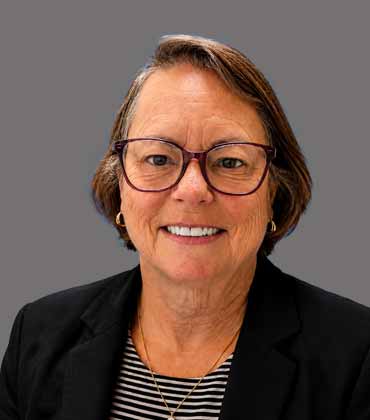
Mary Lelia Baker
Healthcare is already difficult for many older Americans. Even people familiar with the system can be overwhelmed by Medicare cards, supplemental insurance, prescription plans, Medicaid eligibility, income limits and renewal forms. For older adults with low incomes or those in immigrant families, difficulties will probably increase in the coming years.
Barriers to healthcare can have serious consequences. If people are unsure whether they are eligible for care, fear asking for help, or can’t afford the costs insurance doesn’t cover, they still need healthcare. As a result, many delay getting treatment, reduce the amount of medication they take, or stretch out what they have. We have witnessed this ourselves. One of our patients was an 82-year-old woman with diabetes who could not afford sufficient insulin and therefore took only about half of the dose that had been prescribed for her. She was eventually hospitalized due to complications, including kidney failure and needed dialysis. We have kept her case in mind because she was not refusing treatment; she was trying to get by financially. No older person should have to decide between taking their medication as prescribed and paying for food, rent, or other essential expenses.
There’s some good news for people on Medicare in 2026. Out-of-pocket expenses for prescription drugs covered by Medicare Part D are limited to $2,100 in 2026 and negotiated prices for the first group of high-cost medications took effect in January. For older adults who have difficulty affording prescription drugs, these changes are significant. Yet Medicare was never intended to pay for everything an older adult might require.
Medicaid works with Medicare for millions of low-income seniors, a group often referred to as “dual eligible” or “MediMedi”. It helps to pay the Medicare premiums and other associated costs. It also covers services Medicare does not, such as long-term care and, in several states, additional home and community services. Because of these factors, changes to Medicaid are particularly important for older adults.
Policy decisions are made in legislatures and boardrooms, but people feel their effects in their living rooms.
Recently, much attention has focused on the new work or community involvement requirements for Medicaid. There is no need to cause seniors unnecessary anxiety. The federal rule covers some adults between the ages of 19 and 64 and generally does not affect people with Medicare. However, the rule does not mean older adults are completely protected from Medicaid changes. Eligibility rules, renewal procedures and state Medicaid programs are changing. For a senior whose main source of income is Social Security, losing assistance with a Medicare premium, with medications, with a caregiver, or with long-term care could be extremely damaging.
Another matter that receives far less attention in discussions about aging is the public charge rule. A new federal public charge rule will come into effect on September 18, 2025. Public charge is an immigration rule that applies only to certain noncitizens who are applying for admission or seeking a change of immigration status; it does not affect U.S. citizens and many immigrant groups are exempt. However, the legal details are only part of the problem. In many of the communities we serve, people avoid obtaining healthcare and other services out of fear. An older immigrant might hear the term ‘public charge’ and think, correctly or incorrectly, that receiving healthcare assistance could hurt their immigration status. A daughter might be concerned that enrolling her mother in a benefit could affect the entire family. Some people also feel it is too risky even to ask questions.
Fear doesn’t always correspond to the exact wording of the regulations. Regulations, however, can change and what was acceptable in one administration might not be acceptable in another. In such cases, health professionals, caregivers, social workers and community organizations have a major responsibility. They must provide accurate information, help older people understand which programs they qualify for and connect families with legal assistance when immigration issues arise.
We should not forget the families and older people behind every policy. For example, an older woman might use less insulin because she can’t afford another vial. There’s also the case of a grandfather who can’t understand the renewal forms lying on his kitchen table. And it may be an immigrant family afraid that asking for help for an aging parent could put their family’s future at risk.
Policy decisions are made in legislatures and boardrooms, but people feel their effects in their living rooms. Changes to Medicare, Medicaid and immigration policy can negatively affect people. The duties of healthcare workers remain straightforward: they should help older people understand their options, assist them in obtaining the care for which they are eligible and ensure that fear, poverty and the paperwork do not prevent them from aging with dignity.
The articles from these contributors are based on their personal expertise and viewpoints, and do not necessarily reflect the opinions of their employers or affiliated organizations.
